


Treats & food are an essential aspect of the human/dog relationship. Since every dog has the primal need to eat, this provides an obvious opportunity to shape behavior. With treats, we can "lure" the dog into a position that will eventually be paired with a verbal command (e.g. sit, down, etc.). This is the foundation for most of dog training since dogs became man's best friend.

A clicker is a very simple tool that quickly advances the learning process! The use of a consistent noise is the very thing that Pavlov proved with his bell experiments. With the "click" sound, we can pinpoint behaviors, or positions, that would otherwise be difficult to reward immediately. A clicker tells the dog "Whatever you were doing when you heard the click is what I wanted! A reward is coming soon."

The eCollar is probably the most misunderstood dog training tool out there. The eCollar is NOT a shock collar but rather a TENs unit. I encourage you to try it yourself (on your hand), so you can know exactly what your dog will be feeling!
The eCollar is not a punishment, but rather a means of nonverbal communication — especially helpful for off-leash training.
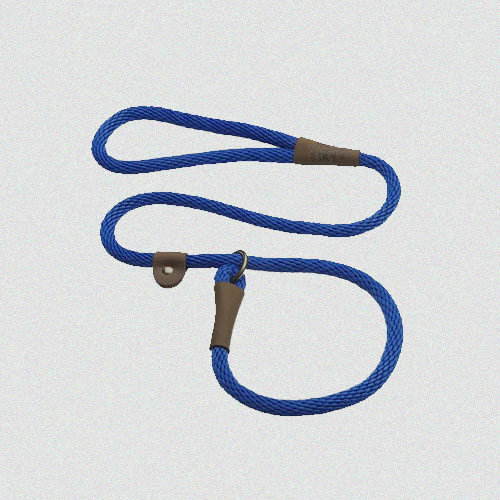
A slip lead is used often in the dog-rescue world. Not only can it be helpful to stop the dog from pulling, but more importantly, it prevents the dog from "slipping" their collar off. Dogs can easily get spooked and try to back out of a normal collar. The slip lead is a crucial safety tool when taking dogs out in public.

A prong collar is another misunderstood tool for dog training. One of the best forms of communication to a canine is through the neck. If you watch puppies play, they will always go for the neck when roughhousing. This is why we as humans have created so many training collars. The prong collar is another means of communicating with the dog in a way they understand.

The relationship between the dog and human must come first before all else.
Quality training should be built on a bond of respect and partnership. I always begin training with an evaluation of the dog's emotional and mental state in order to determine the appropriate next steps for that dog. Then, it's essential to include plenty of play and lots of love along the way!


